Wealth that whispers: the old money portrait
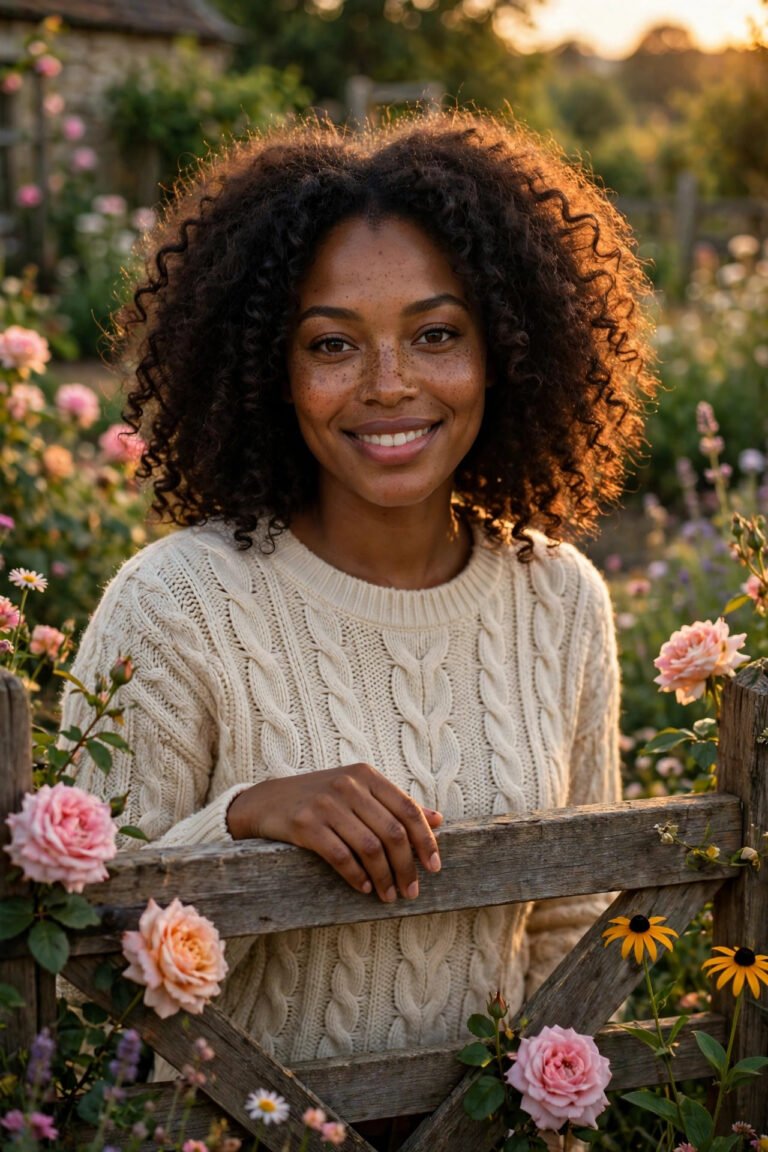
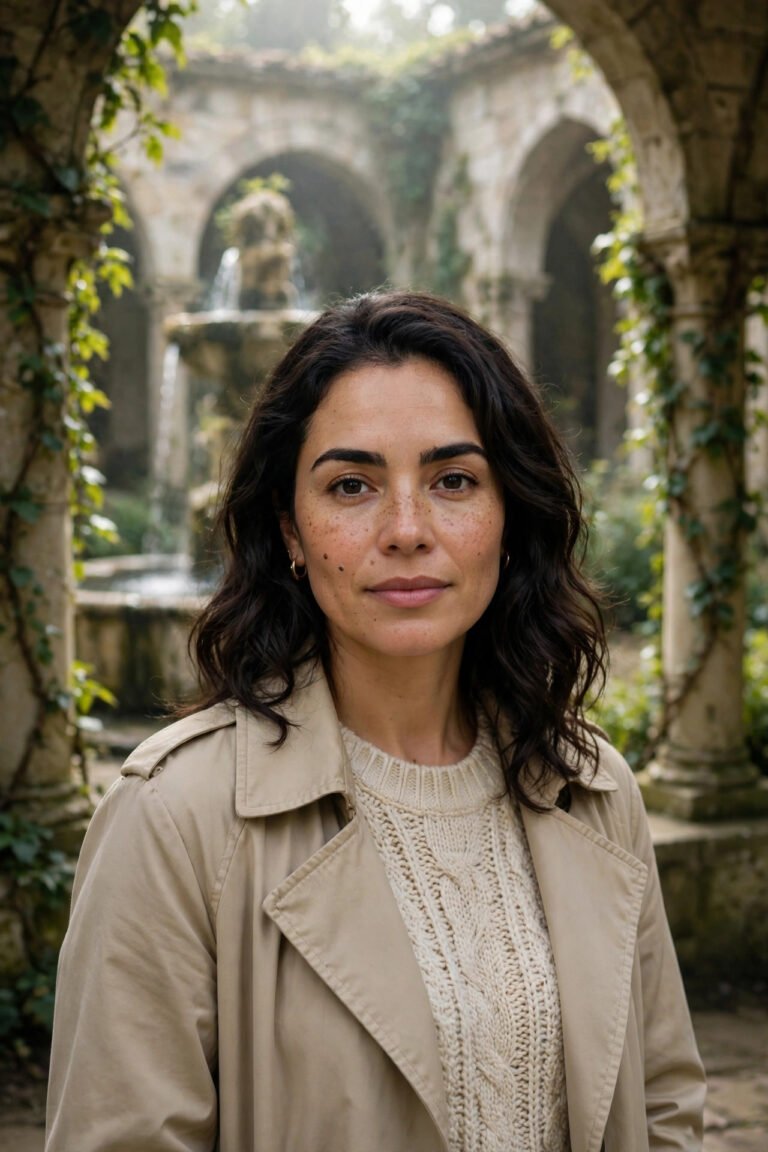
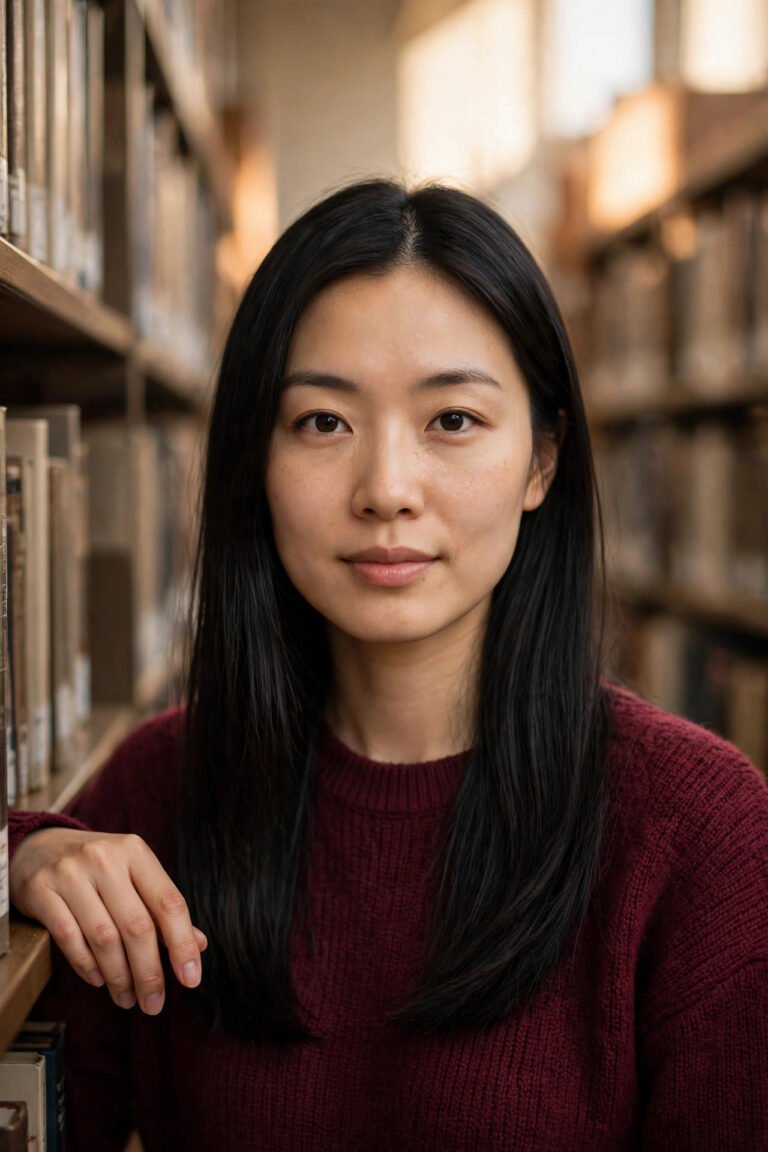
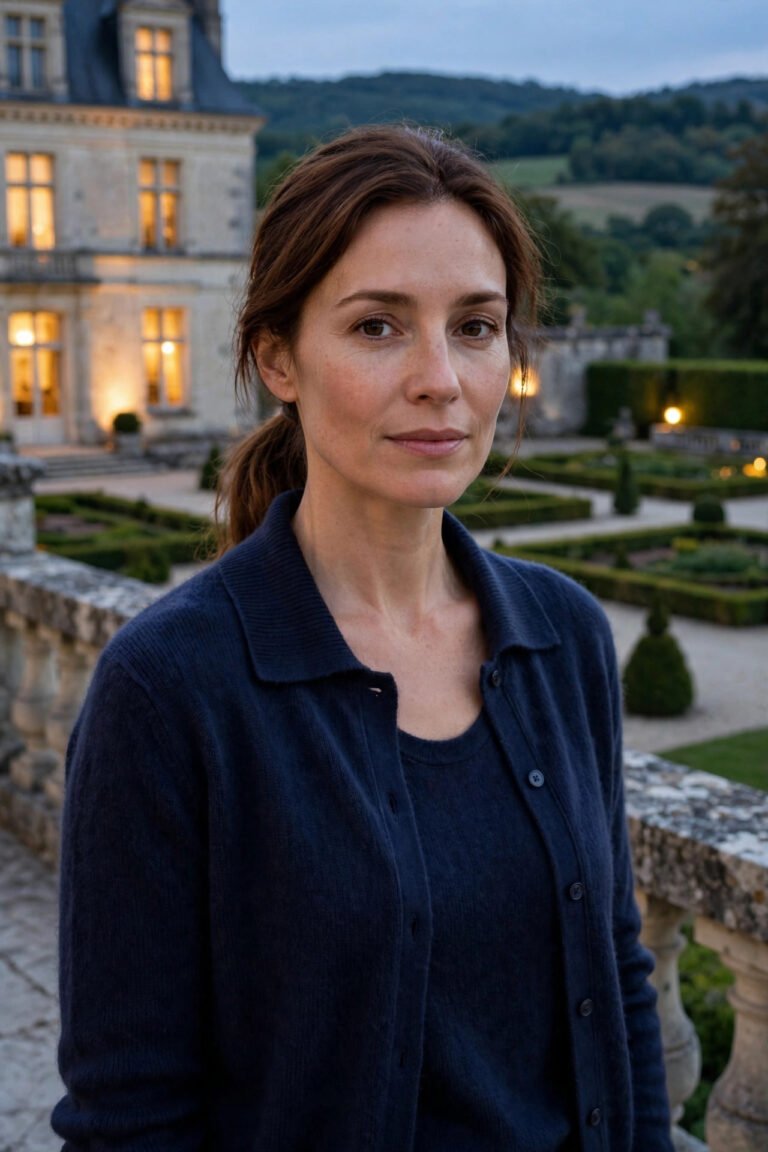
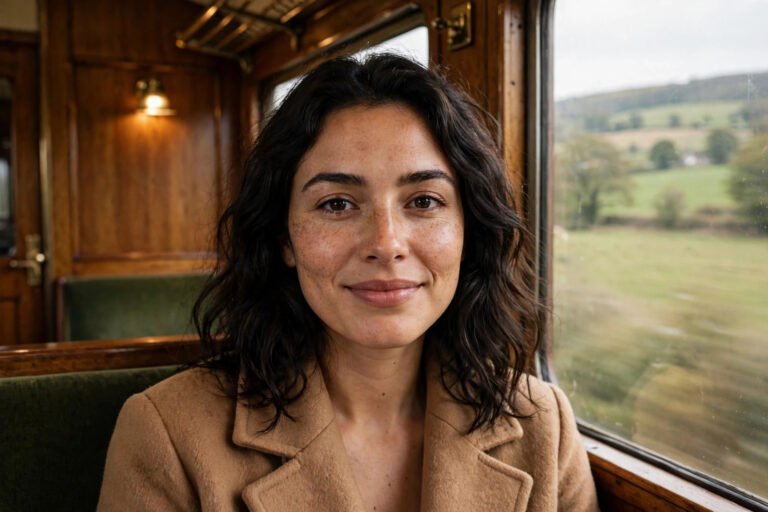
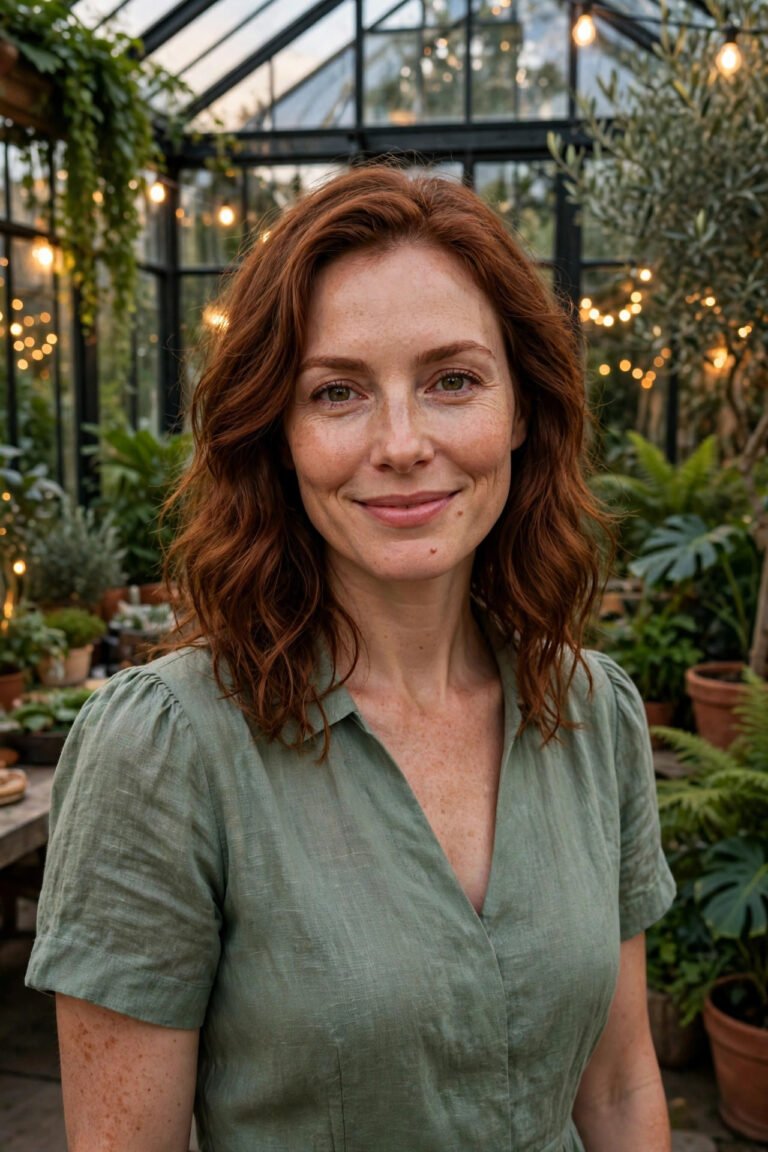
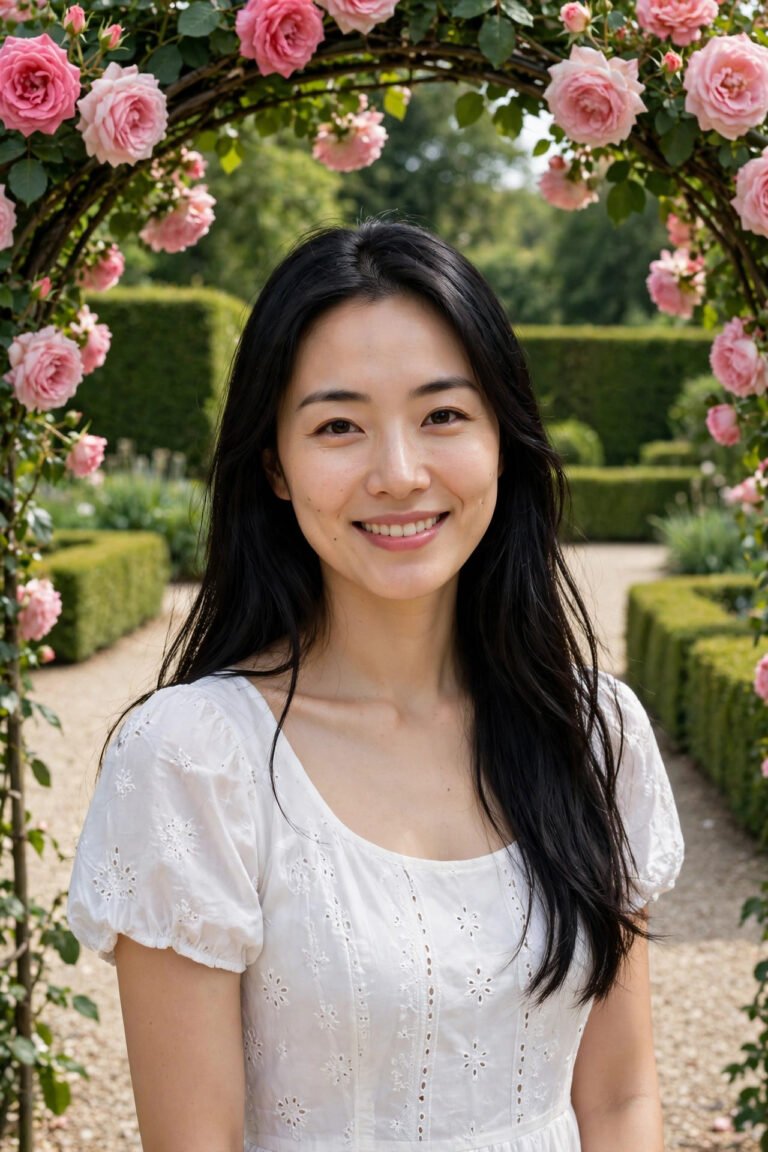
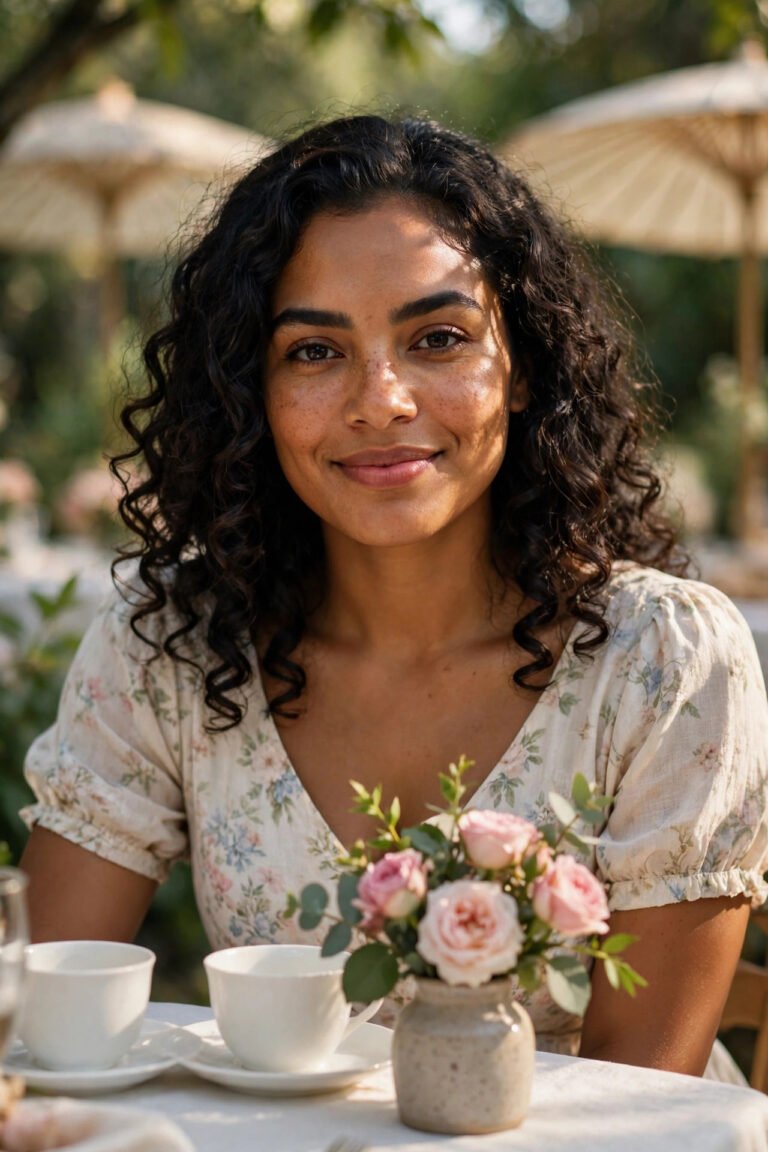
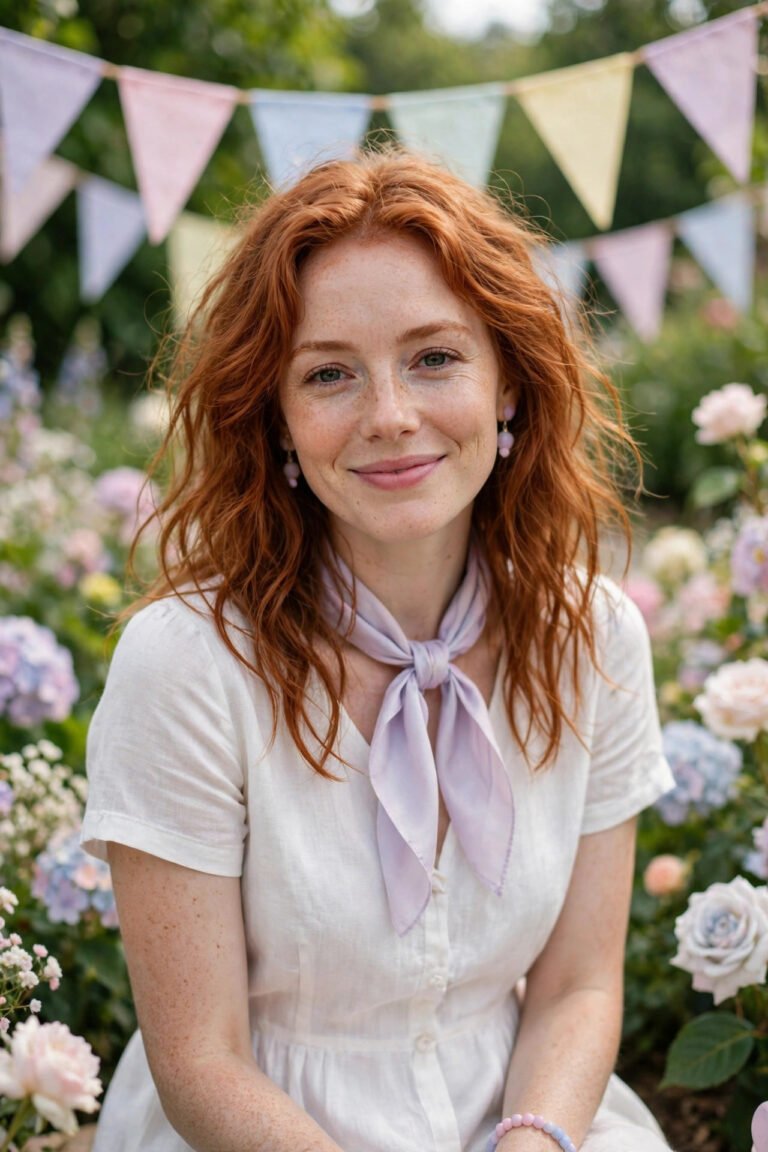
The old money aesthetic is built on a simple rule: real luxury never needs to announce itself. No logos, no sparkle, no trend pieces — just perfect fabric, classic cuts, and settings that have been expensive for a hundred years. These five prompts turn a single selfie into that world, keeping your face exactly as it is while everything around you grows quieter and richer.
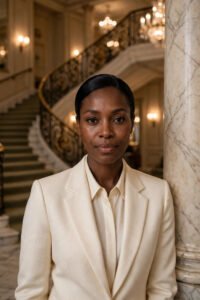
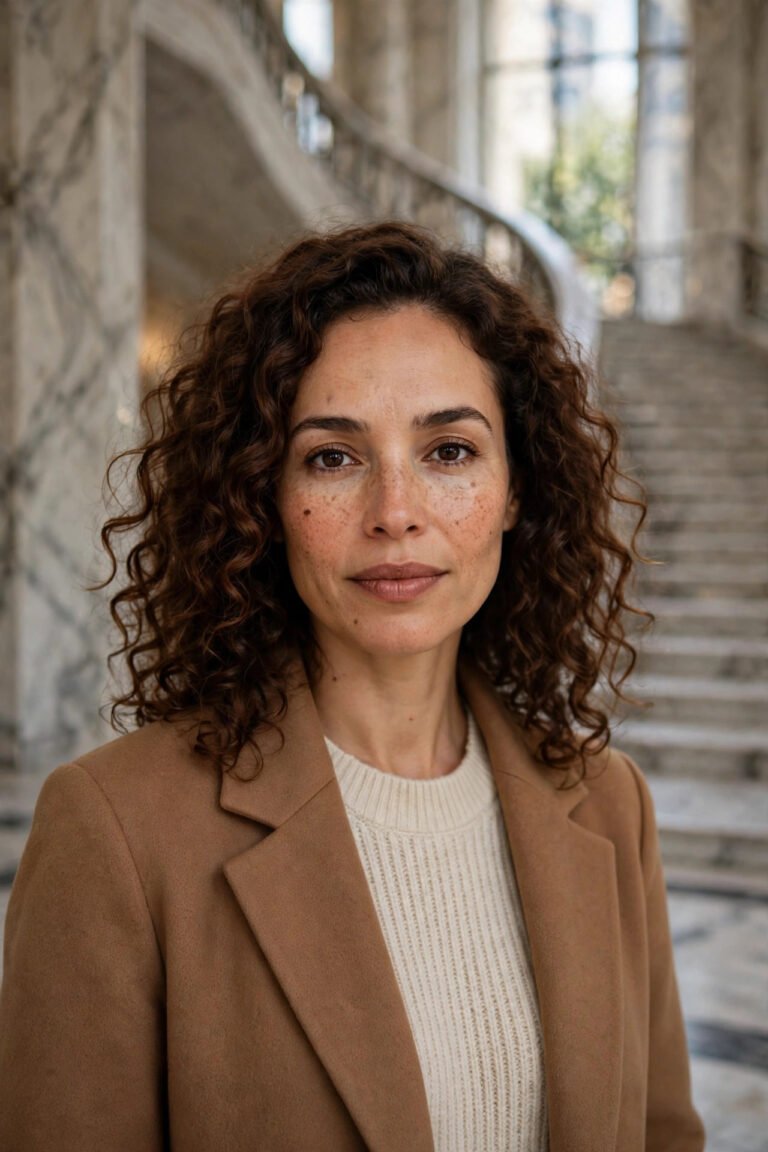
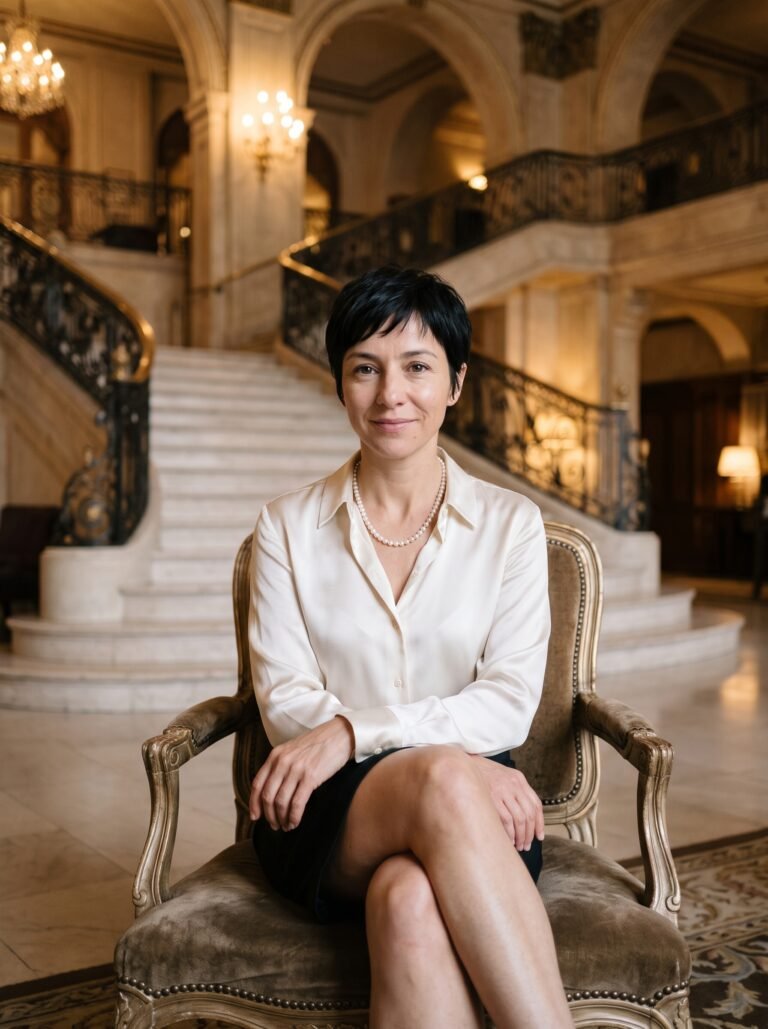
Each portrait borrows a different piece of the heritage wardrobe. The Manor House Camel Coat is the signature look — camel wool on stone steps. Equestrian Stables uses riding clothes, the oldest luxury uniform there is. Grand Hotel Silk pairs ivory and pearls with a marble staircase. The Classic Car Garden Party adds cream tweed and a vintage car, and Ivy Campus Preppy finishes the set with a blazer, a sweater over the shoulders, and ivy-covered stone.
What makes the aesthetic read as old money, not costume
- Fabric over branding. Wool, silk, tweed and leather — the prompts name materials, never labels.
- A restrained palette. Camel, cream, ivory, navy. Nothing neon, nothing metallic, nothing competing with the face.
- Architecture does the boasting. Manor steps, marble staircases and ivy walls signal wealth so the outfit doesn't have to.
- An unhurried pose. Calm expressions and simple hand positions — holding a clutch, carrying books — keep the portrait from feeling staged.
Getting your portrait right
Start with a natural selfie: minimal jewellery, hair neat, no heavy filter. Generate the prompt as written first — the restraint is deliberate, and most edits people make (bigger earrings, a designer bag) push the result toward showy, which is the opposite of this aesthetic. Change the setting if you like, keep the palette quiet, and always leave the face-preservation lines in place. Old money is a mood; your face is the constant.